The BRRRR Reality Check: Forced Equity in the North Suburbs
$249,000. That's what MRD12684815 is listed for in Arlington Heights — a 3-bed, 1,550 sqft home sitting at $161/sqft. Comparable renovated homes in the same zip sell for $372,000. That's a $123,000 equity gap waiting to be forced into existence with paint, flooring, and a kitchen remodel.
Buy it for $249K. Spend $50K on a cosmetic rehab. Refinance at 75% of the new $372K value. The bank hands you $279K — enough to pay off your original loan and get most of your capital back. You still own the house, it still cash-flows, and that $50K moves to the next deal.
That's the BRRRR promise. But in 2026, with rates above 7% and tighter appraisal standards, the margin for error is razor-thin. Let's run the real math.
What BRRRR Actually Is
BRRRR — Buy, Rehab, Rent, Refinance, Repeat — is the capital recycling strategy popularized by David Greene in his BiggerPockets framework. Instead of saving a new down payment for every property, you force appreciation through renovation, then pull your original capital back out via a cash-out refinance. Executed correctly, you build a portfolio using the same initial capital over and over. Executed poorly, you trap capital in an over-improved property that doesn't appraise. If you've followed episodes 1-12, you already understand ROI, DSCR, and stress testing — BRRRR ties them all together.
The 5-Step BRRRR Math (Worked Example)
Let's walk through MRD12432884 in Mount Prospect — a 3-bed, 1,100 sqft listing at $250,000 with an estimated ARV of $421,000 and market rent of $2,650/month.
$50K down
$7.5K closing
= $44K + 15%
Total: $50.6K
Stabilize
6-12 months
Cash back: $109K
Net: +$1.3K profit
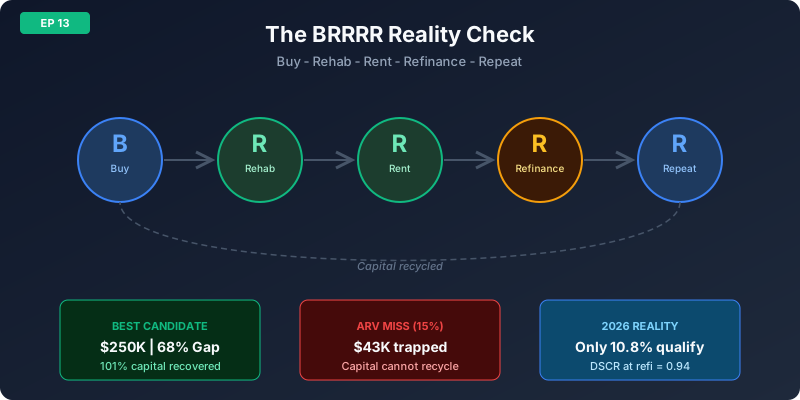
This is the textbook BRRRR outcome — you recovered 101% of invested capital and still own a cash-flowing asset. The equity gap of $171,000 (68% above purchase) created enough room to absorb rehab costs, closing costs, and still return your full investment.
But this is the best-case scenario. Here's where it breaks.
Where BRRRR Breaks: The ARV Trap
The entire BRRRR model hinges on one number: the post-rehab appraisal. If the appraiser comes in lower than your projected ARV, the math collapses.
Expected ARV: $421,000
Actual appraisal: $360,000 (15% miss)
New loan at 75% LTV: $270,000
Pay off original loan: -$200,000
Refinance closing costs: -$5,400
Cash back: $64,600
Total cash invested: $108,100
Cash returned: $64,600
Capital trapped in deal: $43,500
Why do appraisals come in low?
- Thin comp pools — if only 2-3 recent sales exist in the area, one low outlier drags the appraisal down
- Over-improvement — you installed $80K in upgrades in a $350K neighborhood. The appraiser caps value at neighborhood ceiling
- Market shifts — rates rose between your purchase and refinance, compressing values
- Appraiser conservatism — in 2026, appraisers are cautious. They're not stretching values for investor refis
The protective move: budget for a 10-15% ARV miss. If the deal still returns most of your capital at a 15% lower appraisal, it's a true BRRRR candidate. If it only works at full ARV, you're gambling.
2 Real BRRRR Candidates in the North Suburbs
We screened active listings priced $150K-$400K, 2-4 bedrooms, rental-allowed, with a minimum 45% equity gap to ARV. These are the top 2 by gap percentage — the raw material for BRRRR execution.
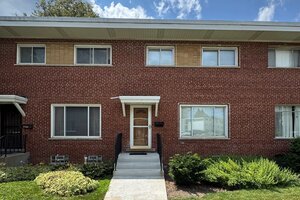
3-bed | 1,100 sqft | $227/sqft | ARV: $421,000 | Gap: $171,000 | ROI: +10.94% | Rent: $2,650/mo
View on Panda Nook →

3-bed | 1,200 sqft | $263/sqft | ARV: $529,000 | Gap: $214,000 | ROI: -6.51% | Rent: $3,300/mo
⚠️ Large gap but negative cash flow — BRRRR-only (no hold)
View on Panda Nook →
Key pattern: Not every large equity gap means a good BRRRR. The Arlington Heights listing ($315K) has a massive $214K gap (68%) but delivers -6.51% ROI after refinancing. The high property taxes and insurance in that Arlington Heights pocket push PITIA above what $3,300/mo rent can cover. This is a BRRRR-and-sell candidate, not a BRRRR-and-hold. Know the difference before committing capital.
Additional Candidates on Our Radar
| MLS | City | Price | Beds | Sqft | ARV | Gap | ROI | Rent |
|---|---|---|---|---|---|---|---|---|
| MRD12710539 | Elk Grove Village | $198,900 | 2 | 1,000 | $299K | $100K (50%) | -10.29% | $1,954 |
| MRD12684815 | Arlington Heights | $249,000 | 3 | 1,550 | $372K | $123K (49%) | -5.20% | $2,600 |
| MRD12722235 | Schaumburg | $200,000 | 2 | 915 | $290K | $90K (45%) | -4.56% | $1,739 |
Notice the pattern: properties with gaps below 50% and negative ROI are risky BRRRR plays. The gap needs to be large enough to absorb rehab costs and the property needs to cash-flow post-refinance. If you can't hold it profitably, you're flipping with extra steps.
The DSCR Connection: Your Refinance Gate
Here's where Episode 12's DSCR lesson becomes critical. After you rehab and rent the property, you need a lender to approve the cash-out refinance. DSCR lenders — the most common path for investor refis — require:
- Minimum DSCR 1.0 to approve the loan (rent ≥ PITIA)
- DSCR 1.25+ for best rates and full 75% LTV
The refinance loan is based on 75% of the new appraised value, at current rates. In 2026, that means your post-rehab PITIA is calculated at 7%+ interest on a larger loan than your original purchase mortgage.
Rate: 7.25% (DSCR loan, 2026)
Monthly P&I: $2,154
Property taxes: $520/mo
Insurance: $140/mo
HOA: $0
Total PITIA: $2,814/mo
Market rent: $2,650/mo
DSCR = $2,650 ÷ $2,814 = 0.94
This is the tension in 2026 BRRRR: the same high rates that create buying opportunities (sellers accept lower prices) also compress your refinance DSCR. The deal pencils for equity extraction, but the post-rehab hold requires the rent to cover a larger, more expensive loan.
The solution: Target properties where the equity gap is so large (60%+) that even at 70% LTV, you still recover most capital. Or target properties with high enough rent-to-value ratios that DSCR clears 1.0 easily. In our data, the strongest BRRRR candidate is MRD12432884 (Mount Prospect, 68% gap, +10.94% ROI) — it combines a massive equity gap with positive post-refi cash flow.
For a deeper dive on how DSCR impacts every deal you evaluate, revisit Episode 12: The DSCR Reality Check.
Rehab Cost Reality Check
The "R" in BRRRR that makes or breaks the deal. Chicago suburb renovation costs in 2026:
| Scope | $/sqft | What's Included |
|---|---|---|
| Cosmetic (Light) | $20-35 | Paint, carpet/LVP, fixtures, landscaping, appliances |
| Cosmetic (Full) | $35-50 | Kitchen remodel, bathroom update, flooring throughout, exterior paint |
| Structural (Light) | $50-75 | Roof, HVAC, electrical panel, plumbing updates + cosmetic |
| Structural (Heavy) | $75-100+ | Foundation work, additions, full gut, load-bearing walls |
• MRD12432884 (1,100 sqft): Cosmetic full → $39K-$55K
• MRD12667472 (1,200 sqft): Cosmetic full → $42K-$60K
• MRD12684815 (1,550 sqft): Cosmetic full → $54K-$78K
Always add 15-20% contingency. Hidden issues (mold, asbestos, permit complications) are common in 40-60 year old north suburb homes.
The Rehab-to-Gap Ratio
A useful heuristic: your total rehab cost (including contingency) should be no more than 40% of the equity gap. This leaves room for closing costs, holding costs during renovation (3-6 months of payments while vacant), and an ARV miss.
| Listing | Equity Gap | Max Rehab Budget (40%) | Realistic Rehab | Buffer |
|---|---|---|---|---|
| MRD12432884 | $171K | $68,400 | $47K (cosmetic) | ✅ $21K cushion |
| MRD12667472 | $214K | $85,600 | $51K (cosmetic) | ✅ $34K cushion |
| MRD12684815 | $123K | $49,200 | $66K (cosmetic) | ❌ Over budget |
MRD12684815 illustrates the trap: a 49% equity gap looks appealing, but at 1,550 sqft with full cosmetic needs, rehab costs eat into the gap beyond the safe ratio. This deal requires flawless execution and a full ARV hit to work.
The "Equity Gap" Signal: How to Spot BRRRR Candidates
BRRRR candidates hide in plain sight on the MLS. The signal is simple: price per square foot significantly below comparable sales in the same area.
In Des Plaines, for example:
When a 2-bed in Des Plaines lists at $185/sqft while the neighborhood average is $242/sqft, that's a 24% discount — the equity gap signal. The question becomes: why is it cheap?
• Estate sales — heirs want quick liquidation, deferred maintenance
• Vacant/tenant damage — property shows poorly, scares retail buyers
• Poor photos/marketing — agents pricing to attract investors
• Flood zone/environmental — permanent value discount, not fixable
• Illegal additions — unpermitted sqft that appraisers won't count
• Location defects — busy road, commercial adjacency, rail noise
• Zoning restrictions — rental limitations that kill the "Rent" step
On Panda Nook's listings page, sort by price per square foot and compare to the city averages shown in our market data. Properties 30%+ below the city average $/sqft are your initial BRRRR candidate list. Then verify the reason for the discount by reviewing photos, days on market, and property history.
As we covered in Episode 11 (Tenant Pool Depth), the "Rent" step only works if there's actual rental demand in that specific submarket. A cheap house in a suburb with no rental demand is just a cheap house.
The 2026 BRRRR Reality
BRRRR is becoming 2026's go-to approach as traditional flipping returns decline. According to ATTOM data, flip ROI hit 23.1% in Q3 2025 — the lowest since 2008. Tighter margins on flips are pushing experienced investors toward BRRRR, where the hold income provides a floor even if appreciation stalls.
But higher rates change the calculus:
| Factor | 2021 (Easy Mode) | 2026 (Reality) |
|---|---|---|
| Refi rate | 3.5-4.5% | 7.0-7.5% |
| Monthly PITIA on $300K loan | ~$1,800 | ~$2,500 |
| DSCR at $2,650 rent | 1.47 | 1.06 |
| ARV appraisal trend | Generous (rising market) | Conservative (flat market) |
| Competition for distressed deals | Moderate | High |
| Rehab labor costs | Lower | 15-20% higher |
The 2026 BRRRR investor needs to be:
⚡ Fast on rehab — every month of vacancy is $2,000+ in holding costs
📐 Disciplined on scope — no over-improvement beyond neighborhood ceiling
💡 Creative on financing — consider partial capital recovery (80% back) as a win, not a failure
As PropStream analysis notes: "BRRRR still works in 2026, but smarter execution is essential." The days of buying anything cheap and riding appreciation to a full refi are over.
Stress Testing Your BRRRR (Episode 9 Callback)
Before committing to any BRRRR deal, run it through the stress test framework from Episode 9:
If the deal survives all four stresses, it's a genuine BRRRR candidate. If it fails any single one, you're betting on perfect execution — and in real estate, perfect execution is rare.
The Bottom Line
BRRRR is the most powerful portfolio-building strategy in real estate — and the most punishing when executed poorly. In 2026, the window is narrower: higher rates compress post-refi DSCR, conservative appraisals risk leaving capital trapped, and rehab costs continue climbing.
But the opportunity is real. We identified 10 active listings in Chicago's north suburbs with equity gaps of 45-82% — meaning the forced appreciation potential ranges from $90K to $289K per property. The two strongest BRRRR candidates from our analysis:
68% equity gap | +10.94% ROI | $2,650 rent | Survives 15% ARV miss
2. MRD12684815 — Arlington Heights ($249K)
49% equity gap | -5.20% ROI | $2,600 rent | 1,550 sqft — large footprint with strong rehab potential
These represent the best combination of equity gap size and rehab potential in our current data. MRD12432884 is the textbook BRRRR — positive cash flow post-refi with a gap large enough to survive a 15% ARV miss. MRD12684815 trades current cash flow for a larger footprint and bigger forced equity opportunity.
Your BRRRR Checklist
Before you make an offer on any BRRRR candidate:
- ☐ Equity gap > 50% (room for error)
- ☐ Post-rehab DSCR > 1.0 (refinance qualification)
- ☐ Rehab cost < 40% of equity gap (buffer for surprises)
- ☐ Deal survives 15% ARV miss (capital protection)
- ☐ Rental demand exists in submarket (Episode 11 check)
- ☐ Property is rental-eligible (no HOA/zoning restrictions)
- ☐ Holding costs budgeted for 6 months (realistic timeline)
Find Your BRRRR Deal
Every listing on Panda Nook shows price per square foot, comparable sales data, and estimated rent — the three inputs you need to identify equity gaps. Create a free account to access the full investor portal with ROI calculations, DSCR estimates, and stress test scenarios on every property.
Browse active BRRRR candidates now → pandanook.com/listings
Need help evaluating a specific BRRRR deal or connecting with renovation contractors in the north suburbs? Reach out to our team — we'll run the full BRRRR math on any listing in our coverage area.
Next Episode: Finding the Ugly House — price-per-sqft anomalies as signals for BRRRR candidates hiding in plain sight on the MLS. We'll build a systematic screening process using Panda Nook's data to surface the 3-5% of listings where forced equity is real.